
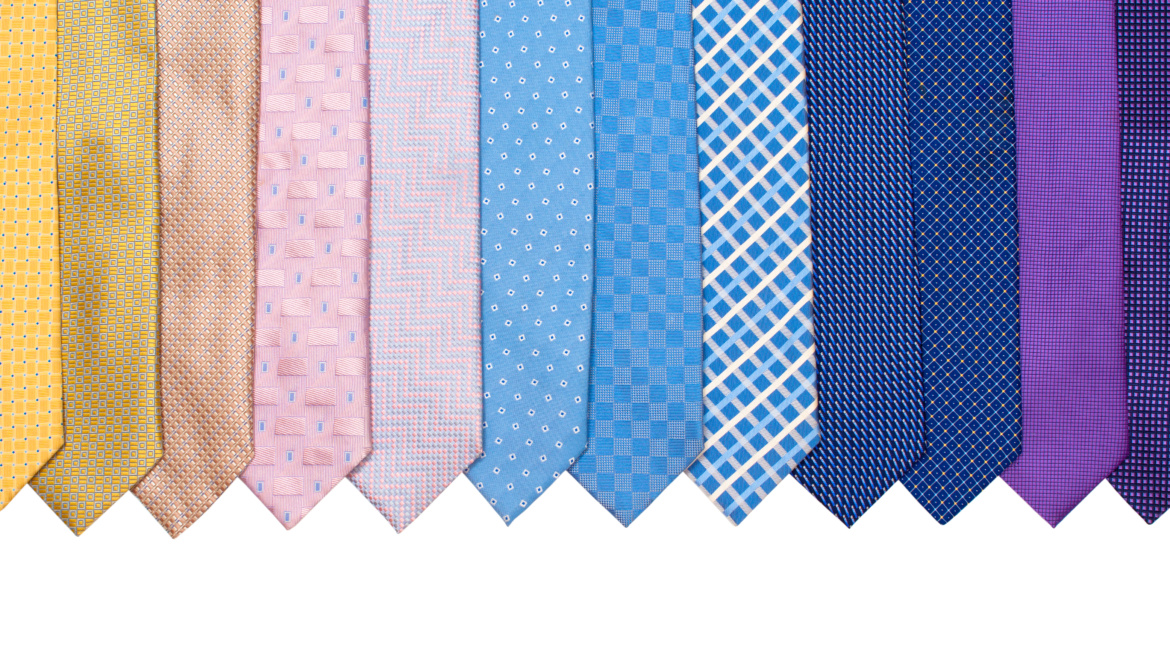
The choice of tie can make or ruin an ensemble. It is an indispensable accessory that can lend sophistication and elegance to any outfit. However, with so many options available, it can be difficult to choose the best one. This article will outline eight methods for selecting the ideal necktie for any occasion.
1. Consider the Occasion
Consider the occasion first when selecting a necktie. Attending a formal event, business meeting, or informal gathering? The occasion will determine the appropriate tie to wear. Choose a silk tie in a solid hue or a classic pattern for formal events. You can wear a tie with discreet patterns or stripes to business meetings. You can experiment with bolder colors and patterns for casual events.
2. Determine the Dress Code
The dress code is another crucial consideration when selecting a tie. If you are uncertain about the dress code, you should always err on the side of caution and dress formally. For instance, if the dress code is business casual, you are permitted to wear a tie but not a suit. If black tie is required, you should don a black bow tie.
3. Select the Proper Breadth
The breadth of the necktie is an essential consideration. A tie that is too large or too small can throw off the proportions of an ensemble. The width of your tie should mirror the width of your lapel as a general rule. If you are donning a slim-cut suit, choose a skinny tie. When donning a classic suit, a tie of standard width is acceptable.
4. Consider the Duration
The tie’s length is also crucial. A tie that is too short or too long can create an ungainly appearance. The tie should extend to your belt fastener. If the tie is too long, it can be adjusted by folding it into the shirt or tying a higher knot.
5. Select the Proper Fabric
Fabric can determine the formality and texture of a tie. Silk ties are the most formal and suitable for formal occasions. Ties made of wool and cotton are more casual and appropriate for everyday wear. Knit ties are also an excellent choice for a casual ensemble. They are typically made of wool or silk and have a casual, textural appearance.
6. Think about Color
The color of your tie can have a substantial effect on your overall appearance. It can either match or contrast with your ensemble. If you are wearing a patterned shirt or suit, choose a tie in a solid hue. You can experiment with bolder colors and patterns when you’re wearing a solid-colored shirt or suit. For formal occasions, adhere to timeless hues such as navy, burgundy, and black. You can experiment with brighter colors such as green, pink, and yellow for informal occasions.
7. Select the Proper Knot
Additionally, the knot of your tie can determine the formality of your ensemble. A straightforward knot, such as the four-in-hand knot, is appropriate for informal occasions, whereas a more intricate knot, such as the Windsor knot, is appropriate for formal occasions. The knot must be proportional to the breadth of the tie and the circumference of the collar.
8. Experiment with patterns
Patterns can add visual interest and reflect your personality to an ensemble. If you are wearing a patterned shirt or suit, choose a tie in a solid hue. You can experiment with patterns such as stripes, polka dots, and paisley if you are wearing a solid-colored shirt or suit. Stick to classic patterns such as stripes or polka dots for formal events. You can experiment with bolder patterns, such as florals and abstract designs, for casual events.